
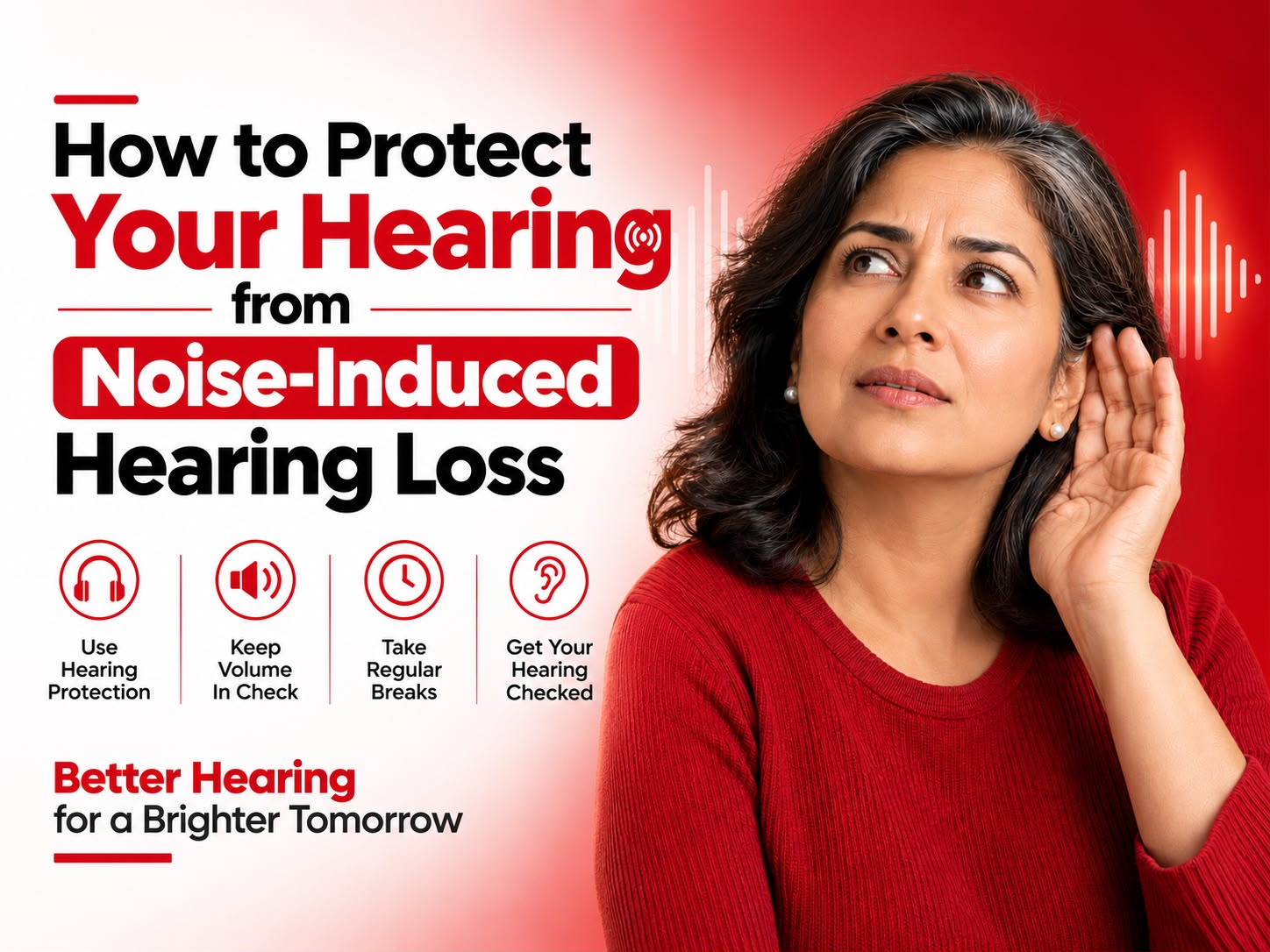
How to Protect Your Hearing from Noise-Induced Hearing Loss
Hearing allows us to communicate, enjoy music, recognize warning signals, and remain connected to the world around us. However, everyday exposure to loud sounds can gradually affect our hearing without us realizing it. From listening to music through headphones to working near machinery or attending loud events, our ears can encounter potentially harmful noise in many situations.
Noise-induced hearing loss is a type of hearing damage that can occur after exposure to excessive sound. It may develop gradually through repeated exposure or happen after a single exposure to an extremely loud sound.
The good news is that noise-induced hearing loss is often preventable. Understanding how noise affects the ears, recognizing warning signs, and adopting safe listening habits can help protect your hearing over the long term.
What Is Noise-Induced Hearing Loss?
Noise-induced hearing loss occurs when exposure to loud sound damages the sensitive structures involved in hearing, particularly the sensory hair cells in the inner ear. These cells help convert sound vibrations into electrical signals that travel through the auditory system to the brain.
When these structures become damaged, the ability to hear certain sounds may be reduced. The resulting hearing loss can affect one or both ears and may range from mild difficulty hearing specific frequencies to more significant hearing impairment.
Unlike some conditions that can be treated medically, hearing loss caused by damage to the inner ear is often permanent. This makes prevention and early recognition especially important.
How Does Loud Noise Damage Your Hearing?
Sound travels through the ear and causes structures within the inner ear to respond to vibrations. Under normal listening conditions, this process allows us to hear speech, music, and environmental sounds.
When sounds become excessively loud, however, they can place considerable stress on the delicate structures of the inner ear. Repeated exposure may gradually cause damage, even when the person does not experience immediate pain.
The risk depends on several factors, including the loudness of the sound, the length of exposure, how frequently exposure occurs, and individual susceptibility.
A sound does not have to be uncomfortable to be potentially harmful. People can become accustomed to loud environments without recognizing the risk to their hearing.
Common Sources of Harmful Noise
Potentially harmful noise can occur at work, at home, during travel, and during recreational activities. Recognizing these sources can help you make safer choices.
1. Headphones and Earphones
Listening to music, watching videos, or playing games through headphones is a regular activity for many people. However, listening at high volumes for long periods can increase the risk of hearing damage.
People sometimes increase the volume to overcome traffic, conversations, or other background noise. This can expose the ears to higher sound levels than intended.
Choose a comfortable listening volume, take regular breaks, and consider noise-cancelling headphones when appropriate so that you do not need to increase the volume excessively to hear your audio.
2. Concerts and Loud Events
Concerts, festivals, celebrations, nightclubs, and other events can expose people to high sound levels. Standing close to loudspeakers may increase exposure further.
After a loud event, some people notice temporary ringing, muffled hearing, or a feeling that their ears are blocked. These symptoms can indicate that the auditory system has been stressed by noise exposure.
Temporary improvement does not guarantee that no damage has occurred. Using suitable hearing protection and taking breaks away from loud areas can reduce exposure.
3. Workplace Noise
Workers in construction, manufacturing, workshops, factories, transportation, and certain other industries may encounter loud machinery or equipment.
Repeated exposure over months or years can increase the risk of noise-induced hearing loss, particularly when suitable protection is not used.
Employers and workers should follow applicable occupational noise-safety requirements, use appropriate hearing protection, and take part in workplace hearing-conservation programmes where required.
4. Traffic and Urban Noise
Traffic, horns, construction work, generators, and other environmental sounds contribute to everyday noise exposure. The risk depends on the intensity, duration, and proximity of the sound.
Although not every everyday sound causes hearing damage, repeated exposure to loud environmental noise should not be ignored. Where possible, move away from unusually loud sources and use appropriate protection when exposure cannot be avoided.
5. Power Tools and Household Equipment
Some power tools, lawn equipment, and other machinery can produce sound levels high enough to put hearing at risk, particularly during prolonged use.
Read the manufacturer's safety instructions, use suitable hearing protection, and avoid standing unnecessarily close to noisy equipment.
What Are the Early Signs of Noise-Induced Hearing Loss?
Noise-related hearing damage may develop gradually, so the first symptoms can be easy to overlook. Paying attention to changes in your hearing can help you seek an assessment when needed.
Difficulty Understanding Conversations
You may hear that someone is speaking but struggle to understand their words, especially in restaurants, offices, or crowded environments.
This can happen when hearing loss affects the frequencies needed to distinguish speech sounds clearly.
Ringing or Buzzing in the Ears
Tinnitus is the perception of sounds such as ringing, buzzing, or humming without an external source. It may occur after loud-noise exposure and can sometimes accompany hearing loss.
Persistent tinnitus should be discussed with a healthcare professional.
Muffled Hearing After Loud Exposure
Sounds may seem quieter or less clear after attending a concert, working with loud machinery, or using headphones at high volume.
Temporary hearing changes after loud exposure should not be ignored. Repeated exposure can increase the risk of lasting damage.
Frequently Increasing Volume
If you increasingly need to turn up the television, phone, or audio device to hear comfortably, it may be worth having your hearing assessed.
Although several factors can explain this behaviour, persistent difficulty hearing sounds clearly deserves attention.
How Loud Is Too Loud?
The risk of hearing damage increases as sound becomes louder and exposure continues for longer. Sound levels are measured in decibels, commonly written as dB.
For occupational safety, the US National Institute for Occupational Safety and Health recommends limiting exposure to an average of 85 dBA over an eight-hour workday, with the recommended exposure duration decreasing as sound levels rise.
This is a useful reference for understanding why both volume and duration matter. It is not a guarantee that every person is safe at every exposure below that level, and different standards may apply in different countries and settings.
Very loud sounds can cause harm much more quickly than moderately loud sounds. Because sound levels are not always easy to judge by ear, using hearing protection and following relevant safety guidance is important in noisy environments.
Practical Ways to Protect Your Hearing
Protecting your hearing does not mean avoiding every noisy activity. It means reducing unnecessary exposure and using suitable precautions when loud sounds cannot be avoided.
1. Keep Headphone Volume Comfortable
Avoid turning your headphones up simply to overpower surrounding noise. Choose a comfortable volume that allows you to listen without feeling that the sound is harsh or overwhelming.
Some devices provide volume-monitoring tools or listening-level notifications. These can help you become more aware of your listening habits.
2. Take Listening Breaks
Give your ears regular breaks during extended listening sessions. Taking breaks reduces the total time you spend exposed to sound, although breaks do not make an otherwise unsafe volume safe.
Build short periods of quiet into your routine, especially when listening to music or working in noisy environments for long periods.
3. Use Appropriate Hearing Protection
Earplugs and earmuffs can reduce the amount of sound reaching your ears when used correctly. Different types are designed for different situations, so select hearing protection appropriate to the noise exposure and activity.
In workplaces, follow the applicable safety guidance and use the protection provided or recommended by qualified safety professionals.
4. Move Away From Loud Sound Sources
When attending concerts or other loud events, try to avoid standing close to speakers. Choose quieter areas when possible and take breaks away from the sound.
Increasing the distance from a sound source can reduce the sound reaching your ears, although the amount of reduction depends on the environment.
5. Choose Noise-Cancelling Headphones When Appropriate
Noise-cancelling headphones can reduce certain types of background noise. This may help you listen comfortably without increasing the volume as much in some environments.
Noise cancellation does not eliminate every sound or guarantee hearing protection. Follow safe listening practices regardless of the headphones you use.
6. Follow Workplace Hearing-Safety Procedures
If your work involves loud machinery or equipment, follow established noise-control procedures and use the appropriate protective equipment.
Where required, workplace hearing assessments can help identify changes over time. Report concerns about hearing, damaged protective equipment, or unusually noisy conditions to the appropriate person at your workplace.
Are Children and Teenagers at Risk?
Yes. Children and teenagers can also experience noise-induced hearing loss. Personal audio devices, loud entertainment venues, fireworks, and other recreational noise sources may contribute to excessive exposure.
Parents can encourage safe listening habits by helping children use comfortable volume settings, take breaks, and use suitable hearing protection during loud activities.
Children should also be taught to recognize when a sound is uncomfortably loud and to move away from it when possible.
If a child appears to have difficulty hearing, frequently increases device volume, or reports ringing in the ears, seek appropriate professional advice.
Why Regular Hearing Assessments Matter
Noise-induced hearing loss can develop gradually, and people do not always notice early changes in their own hearing.
A professional hearing assessment can help establish how well you hear different frequencies and whether hearing changes are present. Your hearing care professional may ask about noise exposure, communication difficulties, tinnitus, and other symptoms.
Depending on the findings, you may receive guidance on hearing protection, follow-up testing, communication strategies, or suitable hearing support.
People with significant occupational noise exposure may need periodic hearing assessments according to relevant workplace requirements and professional recommendations.
Can Noise-Induced Hearing Loss Be Reversed?
Temporary changes in hearing can sometimes improve after exposure ends. However, damage to the sensory structures of the inner ear can cause permanent hearing loss, and there is currently no established treatment that reliably restores damaged inner-ear hair cells to their original condition.
This is why prevention remains so important. If hearing loss develops, appropriate support may include hearing aids, assistive listening devices, communication strategies, or other interventions depending on the individual's needs.
Anyone experiencing sudden hearing changes should seek urgent medical attention rather than waiting to see whether the hearing returns.
Build Healthy Listening Habits for the Future
Protecting your hearing is a long-term commitment. Small decisions, such as lowering headphone volume, wearing hearing protection around loud machinery, and taking breaks during noisy activities, can help reduce unnecessary exposure.
Be alert to warning signs such as ringing in the ears, muffled hearing, or increasing difficulty understanding conversations. These symptoms are reasons to consider professional advice, particularly if they persist or recur.
By making hearing safety part of your daily routine, you can take practical steps to protect your ability to communicate and enjoy the sounds around you.
Get Professional Hearing Guidance at Earfit Speech & Hearing Clinic
If you are concerned about noise exposure, tinnitus, or changes in your ability to hear conversations, a professional hearing assessment can help you understand your hearing needs.
Earfit Speech & Hearing Clinic provides hearing assessment and hearing care services to help individuals understand and manage their hearing concerns. Appropriate guidance can help you explore hearing protection, assessment, and suitable hearing support based on your individual requirements.
Do not wait for hearing difficulties to become severe before seeking advice. Protecting your hearing today can help you make informed decisions about your hearing health for the future.