
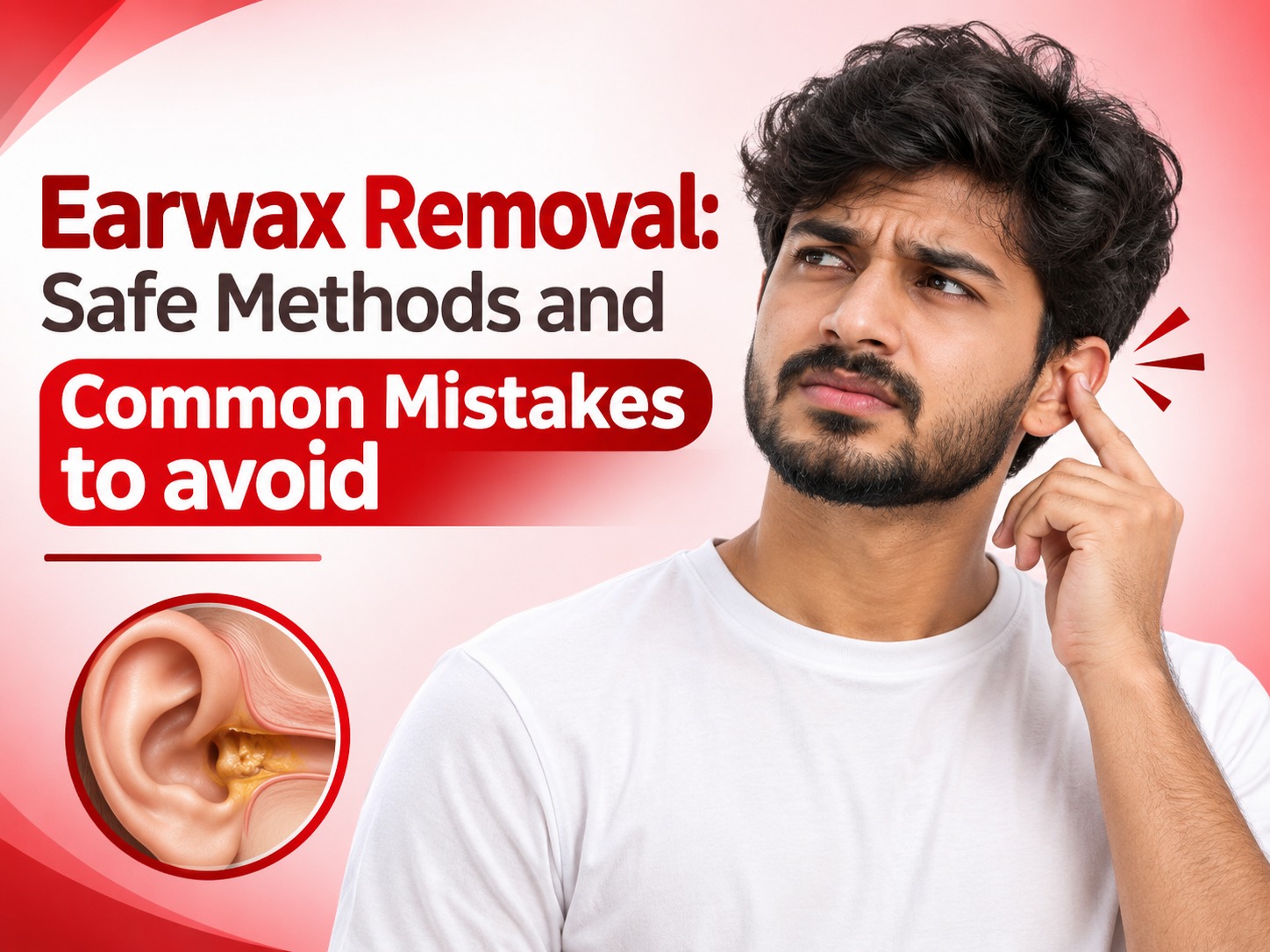
Earwax Removal: Safe Methods and Common Mistakes to Avoid
Earwax is a natural substance that helps protect your ears from dust, dirt, and other external particles. However, when too much earwax accumulates inside the ear canal, it can sometimes cause discomfort, a blocked sensation, and temporary hearing difficulties. Understanding how earwax works and knowing the safe ways to manage buildup can help you maintain good ear health.
Many people try to remove earwax at home using cotton buds, hairpins, or other objects. Unfortunately, these methods can push wax deeper into the ear canal and potentially cause injury. In this guide, we explain why earwax develops, the signs of excessive buildup, safe removal options, and when professional help may be necessary.
What Is Earwax and Why Do We Have It?
Earwax, medically known as cerumen, is a natural substance produced by glands in the outer part of the ear canal. It consists of secretions, dead skin cells, and tiny particles that collect inside the ear.
Although some people consider earwax dirty or unnecessary, it performs several important protective functions.
- Traps dust and debris: Helps prevent unwanted particles from travelling deeper into the ear.
- Protects the ear canal: Forms a natural barrier against external irritants.
- Provides lubrication: Prevents the skin inside the ear canal from becoming excessively dry.
- Supports natural cleaning: Normally moves gradually towards the outer ear, carrying trapped particles with it.
In most people, earwax naturally moves out of the ear without requiring manual cleaning. Regularly trying to remove it can interfere with this natural process.
What Causes Excessive Earwax Buildup?
Earwax buildup occurs when the wax accumulates faster than the ear can naturally remove it. This may happen for several reasons, and some people are more prone to buildup than others.
1. Using Cotton Buds Frequently
Inserting cotton buds into the ear canal can push earwax further inside rather than removing it. Repeated use may contribute to compacted wax and irritation.
2. Naturally Narrow Ear Canals
Some individuals have narrower or differently shaped ear canals, making it harder for earwax to move out naturally.
3. Increased Earwax Production
Some people naturally produce more earwax than others. The consistency of earwax can also vary from person to person.
4. Frequent Use of Earphones and Hearing Aids
Earphones, hearing aids, and other devices worn inside the ear can interfere with the natural movement of earwax. They may contribute to buildup in people who are already prone to excessive wax.
5. Age-Related Changes
As people grow older, earwax can become drier and harder. This may make it more difficult for the ear to clear wax naturally.
Common Symptoms of Earwax Buildup
Excessive earwax does not always cause symptoms. However, when it blocks the ear canal, it may lead to noticeable discomfort or changes in hearing.
Some common symptoms include:
- A feeling of fullness or blockage inside the ear.
- Reduced or muffled hearing.
- Earache or discomfort.
- Ringing or buzzing sounds in the ear, also known as tinnitus.
- Itching or irritation inside the ear canal.
- Occasionally, dizziness or balance-related symptoms.
Important: Not every blocked-ear sensation is caused by earwax. Ear infections, fluid behind the eardrum, and other ear conditions can produce similar symptoms. A proper examination helps identify the actual cause.
Safe Methods for Earwax Removal
The right approach to earwax removal depends on the amount of buildup, your symptoms, and the condition of your ear canal and eardrum. Here are some commonly used approaches.
1. Earwax-Softening Drops
Certain ear drops are designed to soften hardened earwax, making it easier for the wax to move out naturally. These products may contain ingredients such as saline, mineral oil, or other wax-softening agents.
However, ear drops are not suitable for everyone. If you have ear pain, discharge, a suspected eardrum perforation, a history of ear surgery, or ear tubes, consult a healthcare professional before using them.
2. Professional Earwax Removal
When earwax causes symptoms or becomes impacted, a trained healthcare professional can examine the ear and recommend an appropriate removal method.
Depending on the situation, professional removal may involve:
- Manual removal: Using suitable medical instruments under direct visual guidance to remove accumulated wax.
- Microsuction: Using a specialised suction device to remove earwax under visual guidance.
- Ear irrigation: Using controlled water flow to remove wax in carefully selected cases when appropriate.
Not every method is appropriate for every patient. A professional examination is important before choosing a removal technique.
Common Earwax Removal Mistakes to Avoid
Trying to clean your ears without understanding their natural function can sometimes cause more harm than good. Avoid these common mistakes.
1. Inserting Cotton Buds Deep Inside the Ear
Cotton buds may remove some wax near the entrance, but inserting them deeper can push wax towards the eardrum. It can also scratch the delicate skin inside the ear canal.
2. Using Hairpins or Sharp Objects
Hairpins, keys, matchsticks, and other household objects should never be inserted into the ear. They can cause cuts, infections, and serious damage to the ear canal or eardrum.
3. Trying Ear Candling
Ear candling is sometimes promoted as a natural ear-cleaning method. However, there is no reliable evidence that it removes earwax effectively. It can also cause burns, injuries, and wax deposits inside the ear.
4. Over-Cleaning Your Ears
Cleaning your ears too frequently can remove protective earwax and irritate the skin. In most cases, the outer ear can be cleaned gently with a soft, damp cloth without inserting anything into the ear canal.
5. Ignoring Persistent Symptoms
Hearing difficulties, ear pain, ringing, or a persistent blocked sensation should not automatically be attributed to earwax. These symptoms may indicate another condition that needs assessment.
When Should You Seek Professional Help?
You should consider professional ear examination if you experience:
- Persistent ear blockage or reduced hearing.
- Ear pain or recurring discomfort.
- Repeated earwax buildup.
- Ringing or buzzing sounds in the ear.
- Discharge, bleeding, or an unpleasant smell from the ear.
- Difficulty using hearing aids because of suspected wax buildup.
Do not delay sudden hearing loss. A sudden reduction in hearing, especially in one ear, needs urgent medical assessment. Do not assume it is simply an earwax blockage.
How to Prevent Excessive Earwax Buildup
Although earwax cannot and should not be eliminated completely, a few simple habits can help reduce unnecessary buildup and protect your ears.
- Avoid inserting cotton buds or other objects into the ear canal.
- Clean only the outer part of your ears using a soft cloth.
- Keep hearing aids and earphones clean according to the manufacturer's instructions.
- Avoid using ear-cleaning products without understanding whether they are suitable for you.
- If you regularly experience earwax buildup, ask a healthcare professional about an appropriate management plan.
Does Earwax Buildup Affect Hearing?
Yes. When earwax blocks the ear canal, sound waves may not travel through the ear as effectively as they normally would. This can result in temporary conductive hearing difficulties, often described as muffled or reduced hearing.
Hearing may improve once the blockage is safely removed. However, if hearing difficulties continue after earwax removal, further hearing assessment may be needed to identify other possible causes.
This is particularly important for people who already experience hearing difficulties or regularly use hearing aids. Proper ear examination and hearing evaluation can help determine whether earwax is contributing to the problem.
Take Care of Your Ear Health with the Right Guidance
Earwax is a natural and necessary part of ear protection. In most cases, it does not need to be removed manually. However, excessive buildup can cause discomfort and temporary hearing difficulties that may require professional attention.
Avoid inserting objects into your ears or experimenting with unverified cleaning methods. If you experience persistent blockage, pain, or hearing changes, seek an appropriate ear examination rather than attempting repeated home removal.
Looking for Professional Ear Care?
Your ear health deserves the right attention. At Earfit Speech & Hearing Clinic, professional assessment can help identify ear-related concerns and guide you towards appropriate care. If you are experiencing ear blockage or hearing difficulties, consider arranging an evaluation with a qualified healthcare professional.
Explore EarfitDisclaimer: This article is intended for general educational purposes only and should not replace professional medical advice, diagnosis, or treatment. Consult a qualified healthcare professional for individual ear health concerns.